MED0001613870. This website contains imagery that is only suitable for audiences 18+. Any surgical or invasive procedure carries risks. Read more here

Breast Reduction Gold Coast


Request a Consultation

What can you expect from Breast Reduction Mammaplasty?

Reshaped Breasts
Reduced Back Pain
Less skin irritation

Want to see Dr Sawhney’s results with previous patients?

View Patient Photos Ask a question

drrajasawhney-barppimg

What is Breast Reduction

Breast reduction, medically known as reduction mammaplasty, is a surgical procedure aimed at reducing the size and weight of large, heavy breasts.

This surgery not only enhances the aesthetic appearance and proportion of the breasts but also alleviates physical discomfort such as neck and back pain, skin irritation, and posture issues often associated with overly large breasts.

Dr. Sawhney employs the Hall-Findlay technique for breast reduction, a modern approach renowned for its effectiveness in achieving aesthetically pleasing, smaller, and lighter breasts with minimised scarring. This technique involves creating an anchor-shaped scar, which allows for significant reshaping and size reduction of the breasts.

A key feature of Dr. Sawhney’s approach is extensive internal suturing, which involves more suturing than typically used in standard breast reductions. This method provides long-lasting results, with higher set breasts, enhanced cleavage, and more precise control over the final breast shape. Additionally, Dr. Sawhney offers fat transfer to the upper pole and cleavage as an option to further enhance breast shape and contour. For patients concerned about excess fat in the axillary (underarm) area, axillary fold liposuction is an option to complement the breast reduction, achieving a harmonious upper body contour.

Dr. Sawhney’s Approach to Breast Reduction

Dr. Sawhney’s approach to breast reduction is meticulous and patient-centered, focusing on achieving a balance between reducing breast size and enhancing their aesthetic appearance. He employs the Hall-Findlay technique, which is particularly effective for reducing breast size while maintaining a natural and aesthetically pleasing breast shape.

The extensive internal suturing technique employed by Dr. Sawhney is crucial for achieving long-term results. This method allows for reshaping of the breast, resulting in an elevated position and increased cleavage. For patients seeking additional volume or shaping in specific areas, such as the upper pole and cleavage, fat transfer is considered an excellent option.

During the consultation, Dr. Sawhney also discusses the possibility of axillary fold liposuction for patients who have excess fat in the underarm area, ensuring a comprehensive approach to breast reshaping.

In breast reduction mammoplasty at Sculpted, Dr. Raja Sawhney employs a comprehensive and patient-focused approach, utilising various methods to achieve the desired results. Each technique is chosen based on its ability to meet the individual’s needs and goals.

hall-findlay-technique-img

1. Hall Findlay Technique in Breast Reduction Mammoplasty:

The Hall Findlay technique is a preferred method used by Dr. Sawhney in breast reduction surgeries. This approach focuses on repositioning the nipple while removing excess breast tissue, resulting in a reduced breast size. This technique is beneficial for those seeking relief from the physical discomfort associated with larger breasts. It also allows for a more proportional breast size in relation to the patient’s body frame, balancing aesthetics with functional benefits.

wise-anchor-scar-img

2. Wise/Anchor Scar in Breast Reduction Mammoplasty:

The wise or anchor scar pattern is an option in breast reduction mammoplasty. This scar type is known for its anchor-like shape, running around the areola, vertically down, and along the breast crease. While this method does involve more visible scarring, it is effective for achieving significant reductions in breast size and reshaping. Dr. Sawhney recommends this method based on the individual’s breast size and shape, ensuring that the results align with their aesthetic goals.

axillary-fold-liposuction-img

3. Axillary Fold Liposuction in Breast Reduction Mammoplasty:

For some patients, Dr. Sawhney may suggest axillary fold liposuction in conjunction with breast reduction. This technique involves the removal of excess fat from the underarm area, improving the overall breast contour and customising the results of the reduction mammoplasty. This option is particularly beneficial for those looking to achieve a more defined shape around the breast and underarm area.

fat-transfer-to-upper-pole-img

4. Fat Transfer to the Upper Pole and Cleavage in Breast Reduction Mammoplasty:

In some cases of breast reduction mammoplasty, Dr. Sawhney may incorporate fat transfer to the upper pole and cleavage of the breast. This method involves using the patient’s own fat to add volume to specific areas of the breast, enhancing the overall shape and appearance post-reduction. This option can be particularly appealing to patients desiring a fuller upper breast area while still reducing overall breast size.

additional-suturing-img

5. Additional Internal Suturing in Breast Reduction Mammoplasty:

Dr. Sawhney employs additional internal suturing beyond conventional methods in breast reduction mammoplasty. This advanced technique allows for greater longevity of results, higher-set breasts, and more control over breast placement and cleavage customization. By using this particular suturing approach, Dr. Sawhney ensures that the results are not only aligned with the patient’s aesthetic desires but also maintain their integrity over time.

Dr Raja Sawhney

Specialist Plastic Surgeon

Training and Qualifications

Dr Raja Sawhney played a pivotal role in developing a comprehensive unit to service the demand for breast cancer resection and reconstruction, lower limb trauma and complex head and neck cancer resection and reconstruction. He dedicates a majority of his time to complex and challenging reconstructive surgery for patients who have had deformities, either from birth, from abnormal development, or after trauma or cancer.

Experience and Skills

was accepted to and commenced advanced training in Plastic and Reconstructive Surgery in 2007 governed by the Royal Australasian College of Surgery (RACS) and the Australian Board of Plastic and Reconstructive Surgery. He completed this training and was awarded Fellowship from the Royal Australian College of Surgeons in Plastic & Reconstructive Surgery – FRACS (Plast) in 2011.

logolist-img1 logolist-img2 logolist-img3
Dr Raja Sawhney from the Gold Coast 11-2

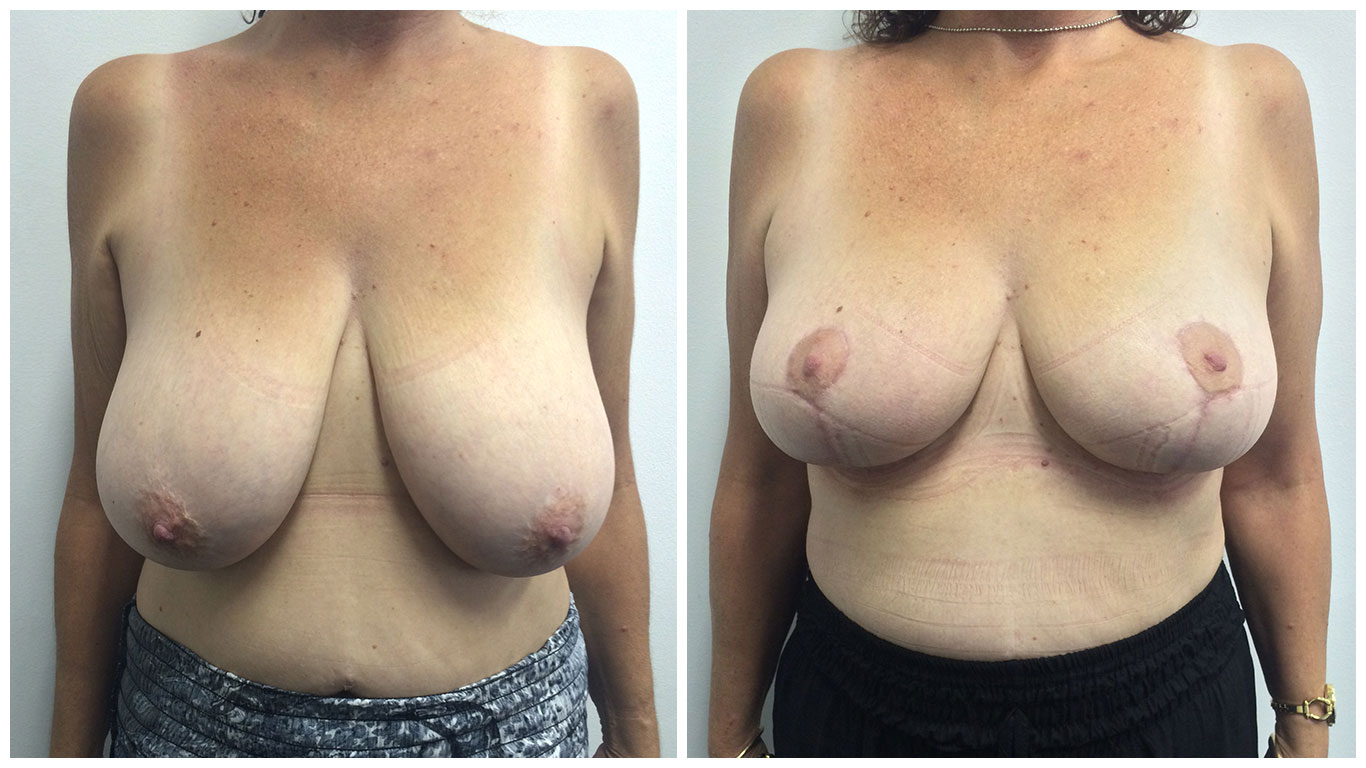
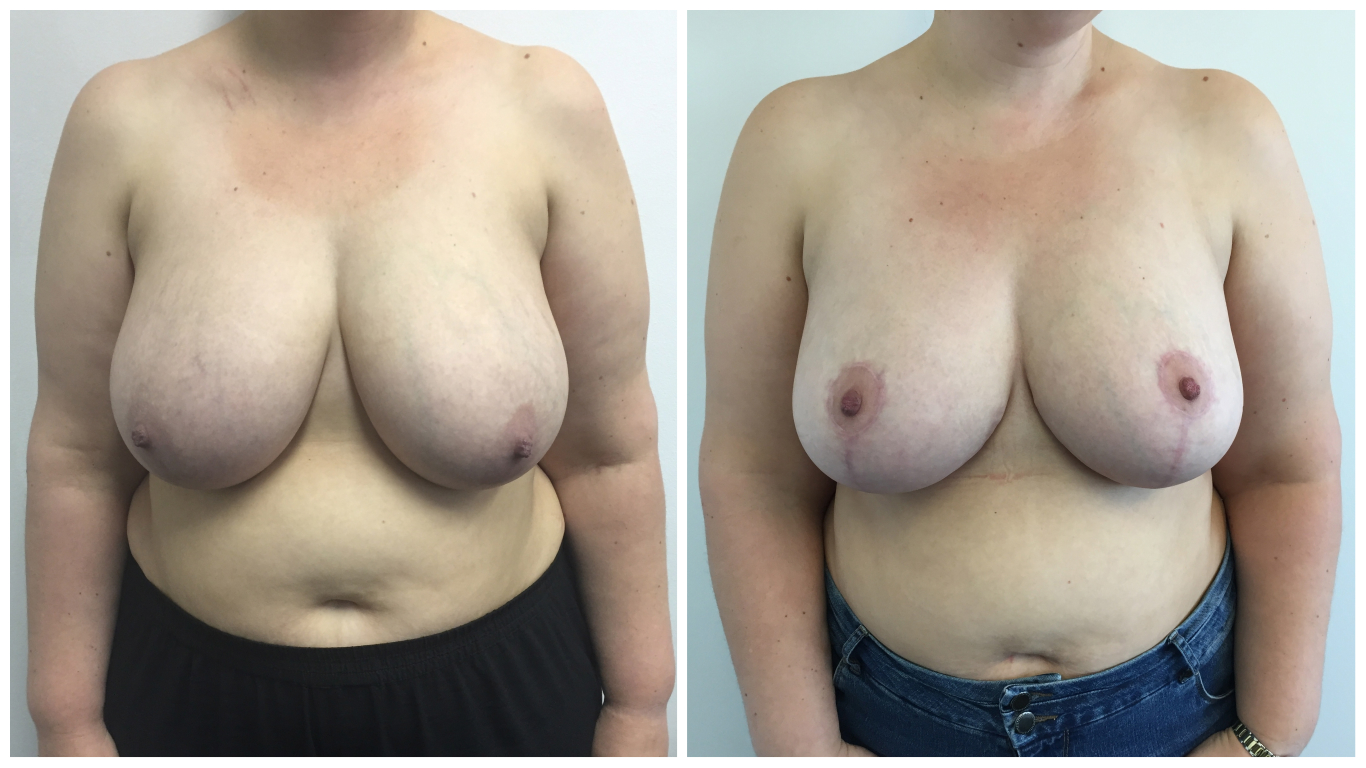
Before & After Images

The outcomes shown are only relevant for this patient and do not necessarily reflect the results other patients may experience, as results may vary due to many factors, including the individual’s genetics, diet and exercise.

View More

The Consultation

The consultation for a breast reduction with Dr. Sawhney is a thorough and informative session, essential for understanding the patient’s goals and determining the most appropriate surgical approach. During the consultation, Dr. Sawhney evaluates the patient’s breast size, skin quality, and overall health. He discusses the Hall-Findlay technique, the internal suturing method, the option of fat transfer, and the creation of an anchor scar.

Dr. Sawhney explains the expected outcomes, the recovery process, and the potential risks associated with breast reduction surgery. He also addresses the possibility of axillary fold liposuction for a more complete aesthetic result. This consultation ensures that patients are fully informed about their options and what to expect from the surgery.

Breast Reduction Candidates

Ideal candidates for breast reduction are women experiencing physical discomfort, self-consciousness, or limitations in physical activity due to large, heavy breasts. Candidates should be in good health, have stable body weight, and realistic expectations about the outcomes of the surgery.

During the consultation, Dr. Sawhney assesses the patient’s overall health, breast anatomy, and aesthetic goals. He determines the optimal surgical approach to achieve a breast size in proportion with the patient’s body while alleviating any associated discomfort.

Risks

Breast reduction surgery carries potential risks and complications, including reactions to anesthesia, infection, changes in nipple or breast sensation, and asymmetry. Dr. Sawhney discusses all potential risks during the consultation and employs meticulous surgical techniques to minimise these risks. He encourages patients to fully understand the recovery process and potential risks before proceeding with the surgery, prioritising patient safety and satisfaction.

Risks associated with breast reduction mammoplasty

  • Adverse reactions to anaesthesia
  • Bleeding and formation of haematoma
  • Infection at the incision sites
  • Scarring, which may be extensive depending on the surgical technique
  • Changes in nipple or breast sensation, which can be temporary or permanent
  • Difficulty breastfeeding or complete inability to breastfeed
  • Asymmetry in the size or shape of the breasts
  • Potential for partial or total loss of nipple and areola
  • Accumulation of fluid (seroma)
  • Deep vein thrombosis, cardiac and pulmonary complications
  • Fat necrosis, leading to hard lumps at the surgical site
  • Skin discolouration, permanently altered skin texture
  • Need for revision surgery due to unsatisfactory results or complications
  • Psychological impact due to changes in body image and expectations.

More information about Breast Reduction

Different methods for performing breast reduction

Dr. Sawhney employs various methods for breast reduction, tailored to each patient’s specific needs. The Hall-Findlay technique, known for its effective reduction and reshaping capabilities, is often combined with internal suturing for lasting results and enhanced breast shape.

For patients seeking additional fullness or contouring in specific areas, fat transfer to the upper pole and cleavage is considered. Axillary fold liposuction is also available for those concerned about excess fat in the underarm area, ensuring a more refined overall aesthetic.

Things to consider before breast reduction surgery

Patients contemplating breast reduction should consider their reasons for the surgery, their expectations, and the recovery process. Understanding the potential risks and limitations, including scarring and the need for a recovery period, is crucial.

Choosing an experienced surgeon like Dr. Sawhney is essential for optimal results. Patients should also consider the emotional and psychological impact of the surgery, as well as financial aspects, including the cost and any associated recovery expenses. Dr. Sawhney ensures that all these aspects are thoroughly discussed during the consultation.

Aftercare and Recovery Process for Breast Reduction Mammoplasty Surgery

After breast reduction mammoplasty, a detailed aftercare plan is essential for a smooth recovery. Initially, patients may experience discomfort, swelling, and bruising, which are normal postoperative symptoms. It’s important to follow the surgeon’s instructions regarding medications, which may include pain relievers and antibiotics to manage discomfort and prevent infection. Patients are typically advised to wear a special supportive bra to minimize swelling and support the breasts as they heal. This garment also helps in maintaining the new breast shape.

The recovery period varies for each individual, but most patients can return to non-strenuous activities within a few weeks. However, it’s crucial to avoid heavy lifting and rigorous physical activity for a specified period, as advised by the surgeon. Regular follow-up appointments are necessary to monitor healing and address any concerns. Patients should also be mindful of keeping the incision areas clean and dry, and to watch for any signs of infection or unusual changes in breast appearance or sensation.

Long-term care includes attending all scheduled postoperative visits and adhering to the surgeon’s recommendations for maintaining breast health. Patients are encouraged to maintain a stable weight, as significant weight fluctuations can alter the results of the surgery. It’s also important to have regular breast examinations and mammograms as recommended for ongoing health monitoring.

Dr Sawhney 02, Gold Coast Plastic Surgeon