


Want to see Dr Sawhney’s results with previous patients?

What is rhinoplasty?
Rhinoplasty is a surgical intervention designed to modify the nose’s structure. It can be performed for aesthetic reasons or for functional improvement.
This procedure adeptly addresses various aspects of the nose, including size, shape, and nostril width. It also serves to address congenital anomalies, repair trauma-related deformities, and improve breathing issues.
In Dr Sawhney’s practice, rhinoplasty (also known as nose job surgery) is not just about addressing the appearance of the nose; it also focuses on maintaining (or improving) nasal function. This individualised procedure takes into account the patient’s unique facial structure, skin type and personal goals. The surgery may involve adjusting the nasal tip, adjusting the nasal bridge, or aiming to achieve overall symmetry.
Each rhinoplasty case is distinct, considering the nose’s intricate structure composed of bone, cartilage, and soft tissues. Dr Sawhney specialises in modifying these components to achieve a result that aligns with the patient’s overall facial features. His aim is to align the structural changes with the patient’s facial balance, ensuring that the results suit the patient’s needs and preferences.
Potential benefits of rhinoplasty
The benefits of rhinoplasty are that it achieves a permanent change, can be highly personalised, and can address both the appearance and function of the nose.
The benefits of the procedure after achieving your results will depend on your personal needs and expectations. Patients decide to undergo rhinoplasty for a variety of reasons, which will influence the possible benefits that can be experienced after the procedure.
During your consultation with Dr Sawhney, you will be able to explain your personal reasons for undergoing surgery and discuss the possible benefits of the procedure.
Dr Sawhney’s approach to rhinoplasty
Dr Sawhney’s method in rhinoplasty is bespoke – meaning it is tailored to each patient’s unique facial features and personal preferences. His extensive experience in facial plastic surgery equips him to provide customised solutions, taking into account the patient’s specific facial characteristics and objectives.
During the initial planning phase, Dr Sawhney utilises specialised imaging technology to discuss potential surgical outcomes with patients. This collaborative approach is crucial in setting realistic expectations and developing a surgical plan that aligns with the patient’s goals. He places significant emphasis on the aesthetic proportions of the face, ensuring that the results will work with the aesthetics of the patient’s other facial features.
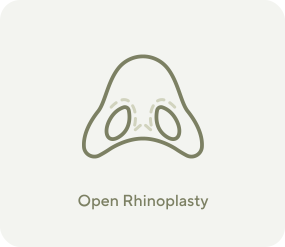
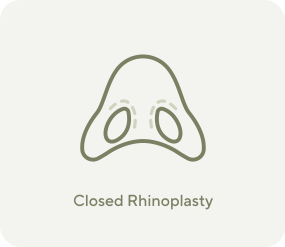
Dr Sawhney is proficient in both open and closed rhinoplasty techniques. The open technique involves a small incision under the nose, offering greater access to certain areas of the nose, while the closed technique, with incisions inside the nostrils, is less invasive and can be suitable for straightforward cases. The choice of technique is dependent on the patient’s specific needs and aims to achieve effective results with minimal invasiveness.
Candidates for rhinoplasty
Suitable candidates for rhinoplasty are individuals who seek structural changes or functional improvements to their nose. These candidates should be in good overall health and have realistic expectations about the surgery’s outcomes. The procedure is suited for those looking to alter the nose’s size or shape, straighten a crooked nose, or correct functional issues like a deviated septum.
The decision to undergo rhinoplasty requires careful consideration of various factors, including the patient’s overall health, lifestyle, and the reasons for seeking the surgery. A thorough evaluation during the consultation is essential to determine the suitability for this transformative procedure.
Candidates should understand that rhinoplasty is a complex and delicate procedure. To confirm their suitability for the surgery, a comprehensive assessment of the patient’s medical history, facial structure, skin quality, and specific nasal concerns is necessary.
The rhinoplasty consultation
The consultation for rhinoplasty with Dr Sawhney is a vital step in the surgical journey. It allows patients to articulate their concerns and expectations and offers Dr Sawhney the opportunity to provide personalised guidance. The consultation includes a thorough examination of the nasal structure, assessment of facial balance, and skin quality.
Dr Sawhney discusses various procedural aspects, including surgical approaches and potential improvements. During the consultation, advanced imaging technology aids in visualising possible post-surgery outcomes, ensuring patients have a clear understanding of what can be achieved. This step is instrumental in aligning patient expectations with surgical realities.
The consultation also assesses any functional aspects of the nose, such as breathing difficulties or structural abnormalities. Dr Sawhney’s comprehensive approach ensures that both aesthetic and functional elements of rhinoplasty are considered, offering patients a well-rounded perspective on the procedure.
Rhinoplasty costs at Sculpted Clinic on the Gold Coast
As with any cosmetic surgical procedure, the costs of the procedure will need to be discussed during a consultation, as costs depend on various aspects of the surgery.
Some aspects of the procedure that can influence costs are the personalised nature of the surgery (such as the specific procedure steps and the complexity of the procedure), the specific surgeon’s fees, anaesthesia fees, hospital fees, and some costs that may be required during the recovery period after surgery.
A consultation will provide you with a personalised surgery plan and the opportunity to discuss the details of your procedure costs. A personalised quote for your procedure costs can detail all fees and allow you to prepare.
To book your consultation with Dr Sawhney at Sculpted Clinic on the Gold Coast and receive more information on procedure costs, please contact our team.
Recovery and aftercare
It will be important to support your body’s healing process after rhinoplasty. Following recovery instructions will help to reduce the chance of complications occurring, help normal side effects such as swelling to subside faster, and support the quality of results.
Dr Sawhney will provide you with instructions based on the specifics of your individual procedure. Instructions can include sleeping with your head elevated to help reduce swelling, taking prescribed pain medication or antibiotics, avoiding certain medications and supplements during recovery, performing specific wound care steps (to care for incision sites) and avoiding applying pressure to the nose during recovery.
You will also need to avoid strenuous exercise, heavy lifting, excessive heat exposure and excessive sun exposure during your recovery. Dr Sawhney will advise you on how much time you need to take off from work and other daily activities to get sufficient rest and provide your body with adequate healing time. You will not be able to drive in the earlier days of the recovery process, which is an important factor to consider when planning your recovery period and arranging transport home after surgery.
You may be instructed to avoid certain skincare products, makeup and undergoing other procedures around the operated area for a specified period of time after surgery. As well as getting enough rest, you may be advised to follow a healthy diet and stay hydrated to help your body heal. While you are recovering at home, it may be helpful to have someone stay with you during the earlier days of recovery, as some household tasks may feel more difficult to complete.
Swelling, bruising, pain, discomfort, and other normal bodily reactions to surgery should subside during recovery. After rhinoplasty, it can also be difficult to breathe through the nose, as a splint or other dressings may be applied to the area. If you become concerned about any symptoms that appear to be lasting longer than what is expected, please seek medical advice or contact the clinic.
Although rhinoplasty will immediately make changes to the nose (either aesthetically or functionally), it can take some time to be able to see these changes, as the area will need time to heal. Dressings or a splint can make functional changes unnoticeable at first, and swelling or bruising can interfere with clear visibility of the results. While initial recovery after a rhinoplasty may take around two weeks, swelling can take up to six months to fully subside, which is an important factor to consider when thinking about your expectations for surgery.
Procedure risks and complications
As with any surgical procedure, rhinoplasty carries potential risks and complications. These may include reactions to anaesthesia, infection, bleeding, nasal asymmetry, or difficulty breathing through the nose. Dr Sawhney discusses all potential risks during the consultation and employs meticulous surgical techniques to minimise these risks. Understanding and openly discussing recovery and potential risks are crucial for patients considering rhinoplasty.
Risks associated with rhinoplasty include:
- Adverse reactions to anaesthesia
- Bleeding and infection
- Nasal asymmetry or irregularities
- Difficulty in breathing through the nose
- Scarring at incision sites
- The possibility of revision surgery
- Temporarily altered sense of smell or taste
Dr Sawhney ensures that each patient is fully informed and comfortable with all aspects of the rhinoplasty procedure before proceeding with the surgery. He will also discuss how certain complications can be prevented by taking steps before, during and after the procedure. Ensuring your suitability for a rhinoplasty before performing the procedure will also help to prevent some complications of surgery.


